

Beyond the Inspection: Kerri Martino on the CIS Approach to Coordination and Client Service
Kerri Martino is Custom Inspection Solutions’ Operations & Client Success Manager. She has 19 years of experience in the vehicle and heavy truck inspection industry and has been working with CIS since it was founded in 2023.
1. How does CIS compare to other inspection companies?
What sets CIS apart is how fully we manage the inspection process. Once a customer provides the deadline details and accurate contact information, we take it from there. Most inspection companies simply assign an inspector and move on. We do things differently. We offer something we call “Advanced Inspection Coordination,” which provides significant value to our customers.
Advanced Inspection Coordination removes the administrative burden from our customers by taking full ownership of the inspection scheduling process the moment a return is identified. Because most returns are known well in advance, CIS immediately places each inspection on the calendar and manages all communication, follow-ups, and access coordination leading into the due date.
All a customer needs to do is give us the correct contact information and timing requirements – we handle everything else including scheduling, communication, access confirmation, and proactive issue management. Customers appreciate that we don’t just complete an inspection; we make the entire process organized, predictable, and stress-free.
2. What parts of the country does CIS cover?
We aim to meet every customer’s needs, no matter where their vehicles are located in the United States. We have two different types of coverage – Core and Custom
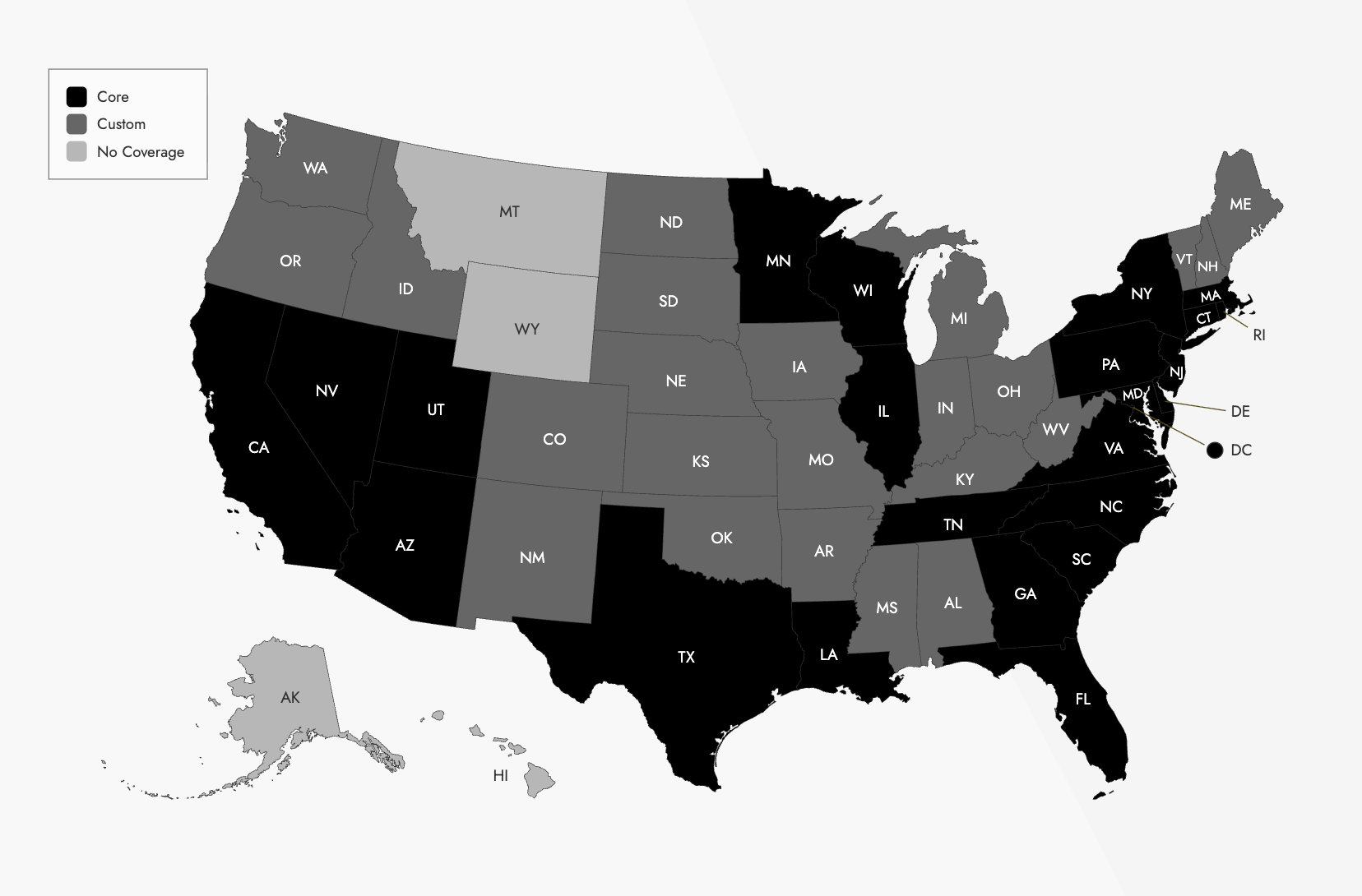
Core Coverage includes 22 of the most populated states. These are the areas where our inspectors live or are within easy driving distance, so we can offer our fastest service and fulfill requests for specialized experience, qualifications, or equipment.
Custom Coverage includes 24 states. Although these regions may be remote or have limited inspector availability, we make every effort to coordinate inspections when customers provide accurate information and adequate lead time. Bulk assignments help us maximize coverage and streamline scheduling.
We pride ourselves on doing everything we can to meet our customers’ needs and inspect their vehicles in the location that is most convenient for them.
3. Tell me a bit about the new CIS inspection system. What makes it better? What are customers saying about it?
Our new inspection system has been a major upgrade. It’s faster, more accurate, and gives customers confidence in the information they’re receiving.
Reports are cleaner, photos load faster, and everything is organized in a way that makes it easier for lenders, asset managers, and re-marketing teams.
Customers tell me they love the clarity – no more digging for serial numbers or scrolling through different layouts. One customer credited the new format with enabling them to finalize a valuation the same day because everything was right where they expected it.
4. What specific vehicles or types of work does CIS handle?
CIS can inspect all types of equipment and sites from standard commercial assets to specialized, custom-built, or mixed-equipment environments. If it has a serial number, data plate, or identifiable marking, we can inspect it. And for site inspections, we manage multi-asset locations with various equipment types, not just heavy-duty units.
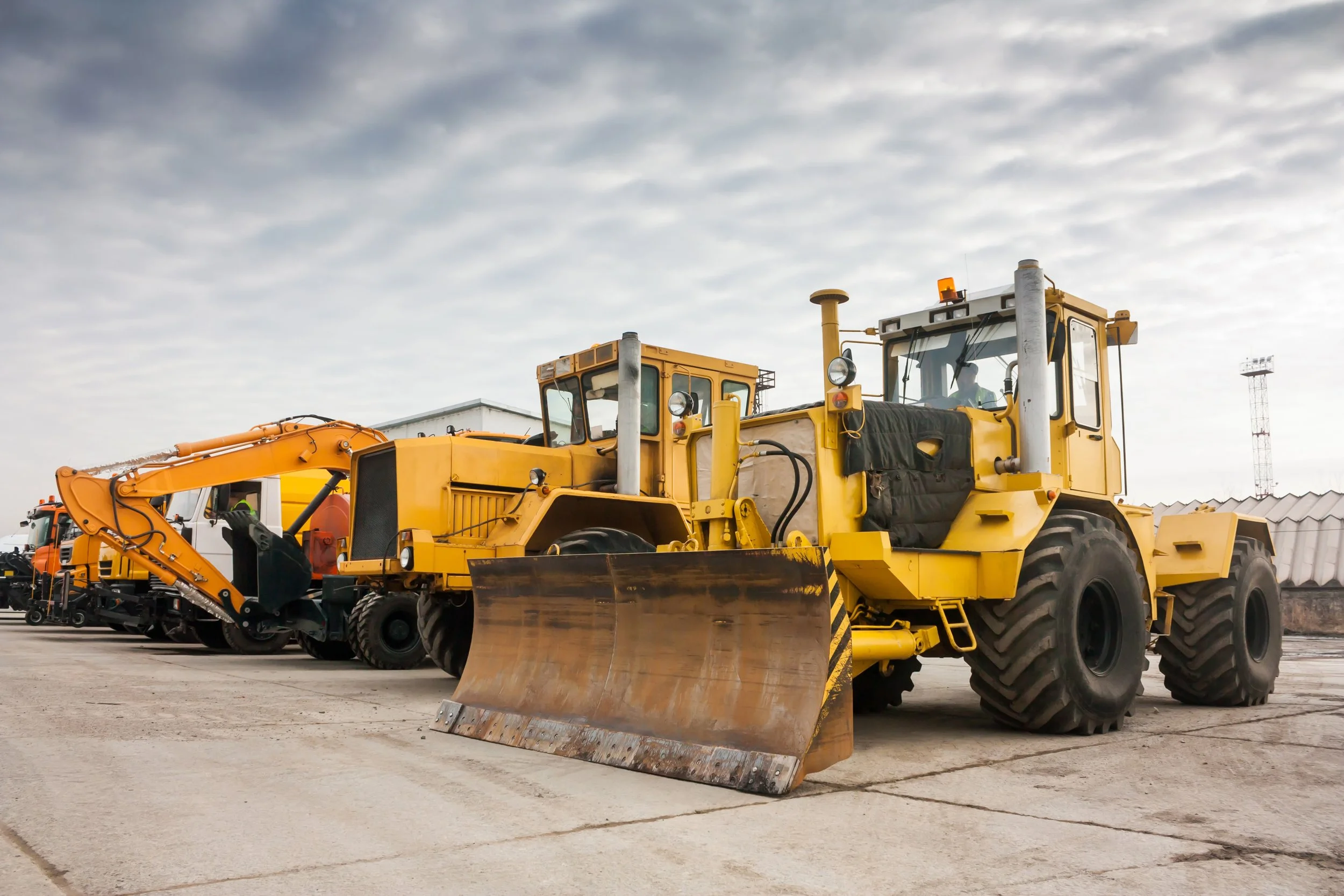
Our work covers everything from:
Heavy-duty trucks, tractors, and all trailer types
Construction, material-handling, and industrial equipment
Agricultural, landscaping, and turf equipment
Warehouse, facility, and small-equipment fleets
Passenger transport vehicles
Specialty machinery and custom-fabricated units
Mixed-equipment sites, facilities, and yards with diverse assets
For unique or complex assets or sites with multiple equipment categories, we gather documentation, review build sheets, confirm specifications, and ensure our inspectors know exactly what to verify.
Also, there is value to getting a vehicle inspected at all points in its life cycle.
If you are purchasing a vehicle, we can help you quantify the value of your purchase.
People often don’t think of maintenance or interim inspections, but this can help ensure that assets are being properly maintained and remain in unmodified, OEM condition.
When a vehicle is sold, both buyers and sellers benefit from an independent inspection. Sellers have the documentation they need to support full asking price, while buyers can eliminate surprises and validate the value of the vehicle they are purchasing.
Whether it’s a single unit or a full site with varied equipment, or if you are a buyer, seller, or owner, CIS can handle it.

5. What do customers need to provide in order to start the inspection process?
The question we hear most often is: “What do you need from me?”
Customers only need to provide the basic asset type, location, and accurate contact information, along with any core details, special circumstances, or deadlines we should be aware of.
Once we have that, we handle everything else: scheduling, communication, and full coordination in advance. There’s no need for customers to pre-organize or prepare anything.
Clear, upfront information keeps the process smooth, and we make the entire experience easy from start to finish!
6. What should people know about CIS?
Sometimes people think CIS is just another inspection company. We’re not. We’re a coordination partner.
We customize inspections, adapt to different scenarios, and even offer Advanced Inspection Coordination, which most other companies don’t provide.
Also, when people think about inspections they think about trucks and mandatory DOT inspections. We do so much more than that. If it has a serial number or data plate, we can probably inspect it.
We also do a lot of work with valuations on vehicles that are part of a merger or acquisition. If you have 100 (or even 50) vehicles in a fleet, the condition and value of those vehicles can make hundreds of thousands of dollars difference in a transaction.
We take pride in our inspection process and documentation. We don’t just do a visual inspection and provide a few photos. We inspect, validate, and document the full mechanical condition of each vehicle. And every inspection is reviewed by one of our most experienced senior team members before it is sent to the customer.
Once customers experience this level of support, they immediately appreciate the difference.
7. The quality of CIS inspections is directly related to the quality of our inspectors. How does CIS ensure you have the best inspectors doing their best work?
We treat our inspectors like partners. We give them clear expectations, strong communication, and support for complex or unique assignments.
If an inspector needs additional details or guidance, we provide it. When inspectors feel supported, they deliver higher-quality work and that shows in every report.
8. What are some of the trickiest or most challenging types of vehicles that CIS inspects? How do you address those challenges?
Specialty equipment, custom builds, older units with missing plates, or multi-location assignments can be challenging for any inspection team.
We address this by coordinating every detail upfront and obtaining any documentation needed. For example, on a custom trailer project, we gathered the original build sheets, so the inspector knew exactly what to verify. That level of preparation saves customers time and ensures accuracy.
9. Describe the ideal CIS customer. What characteristics do they have in common?
Our ideal customer values communication and wants a partner who can customize the process to their needs, including any special requirements or accommodations. Once they provide the basic details such as asset type, location, contact information, and any unique circumstances we should be aware of, they can trust us to coordinate the rest.
When customers share accurate information upfront and communicate any special needs early, it allows us to schedule efficiently, avoid delays, and deliver the smooth, fully managed experience we’re known for.
When communication is strong, everything moves faster and smoother.
10. If a potential customer contacts CIS, what information should they be ready to share to get a quick, accurate quote?
Customers only need to be prepared to provide a few simple details:
Asset type
Location
Number of units
Any deadlines or special requirements
From there, we handle the coordination, including customizing pricing for large fleets or assignments.
11. What advice would you give someone who is thinking about working with CIS?
We’re independent, thorough, and willing to do whatever is needed to support our customers.
If you want inspections done accurately, efficiently, and with strong communication, CIS is the right partner. We customize the process, coordinate everything in advance, and keep you updated every step of the way.
12. What makes you proud to work at CIS?
I’m proud when customers tell me how easy we make things for them. Hearing “You made this so simple” or “Thank you for staying on top of everything” means a lot.
Knowing I helped reduce stress for a customer that’s the best part of my job.
Many of those customers come back to us over and over again. Repeat business is one of the highest honors we receive.
Kerri shares more about the kinds of customers that CIS supports in “From Golf Carts to Dump Trucks: How CIS Handles Unusual and Complex Equipment Inspection.”