

From Golf Carts to Dump Trucks: How CIS Handles Unusual and Complex Equipment Inspections
Kerri Martino, Custom Inspection Solutions’ Operations & Client Success Manager, recently shared four customer stories that demonstrate how CIS delivers high-quality inspections in complex environments.
Interviewer: What is one of the more complex projects that you’ve quoted and completed? What made it complex, and how did you make it work?
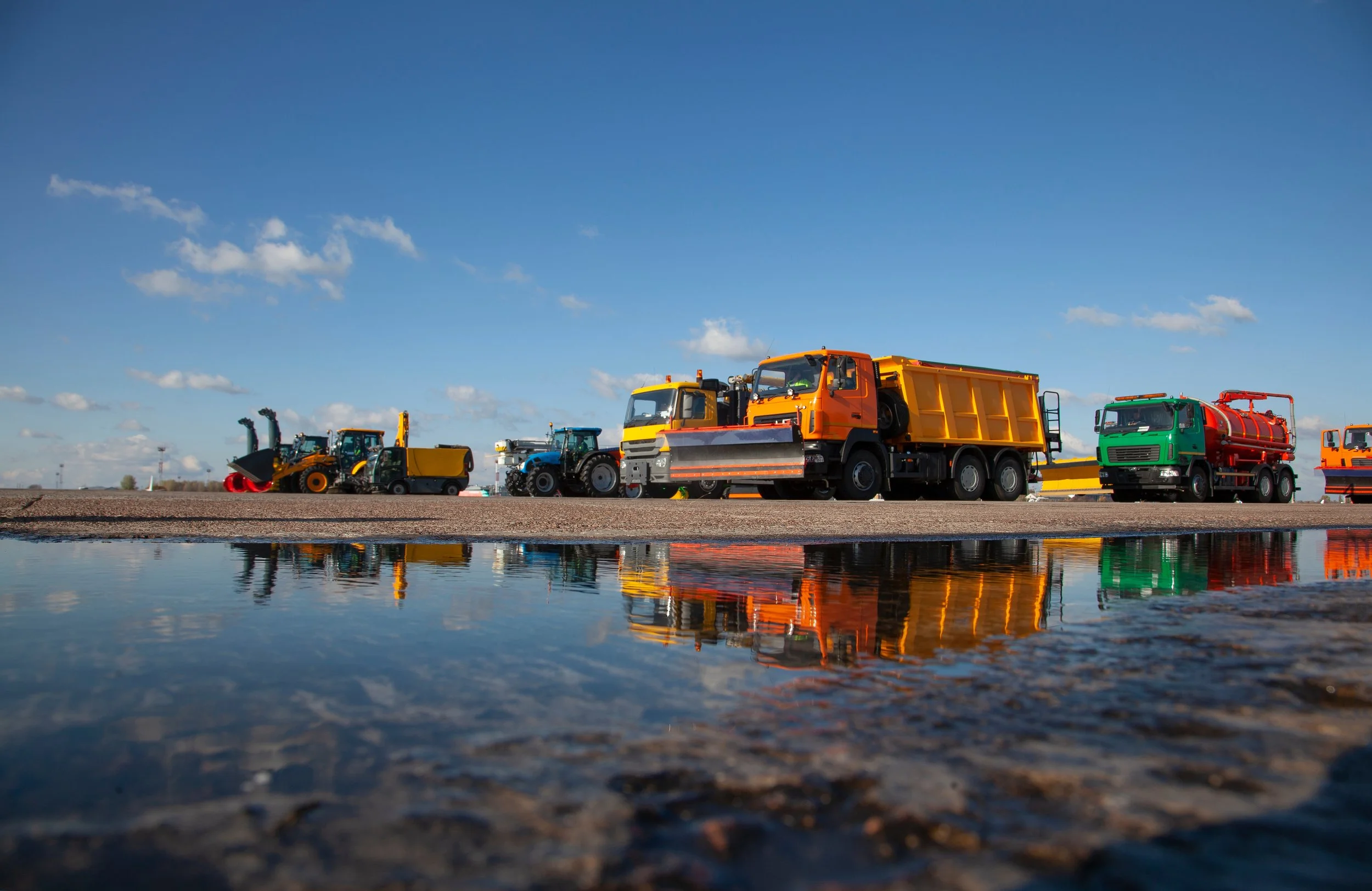
Kerri: One of the most complex projects we completed involved a multi-state inspection covering 300+ assets across several different facilities, each with its own mix of equipment, operating hours, and access requirements. The project included heavy-duty trucks, trailers, material-handling equipment, warehouse machinery, passenger vehicles, and various site-specific assets that required different inspection approaches.
What made it complex was the combination of multiple facilities, diverse equipment categories, and tight timelines. Each location had unique safety protocols, contact requirements, and scheduling constraints, and several sites operated around active production or shipping schedules.
To make it work, we organized the project by region, confirmed all site requirements in advance, and prepared inspectors with detailed equipment lists, build sheets, and facility notes so they knew exactly what to verify at each stop. We coordinated directly with every location, sequenced inspections to minimize downtime, and maintained consistent communication throughout the entire project.
The customer was impressed with how we were able to accommodate their unique needs and were able to get them the information they needed to make smart business decisions.
Interviewer: What was one of the most unusual inspection requests you ever received?
Kerri: One unusual circumstance involved inspecting a mixed group of golf carts and UTVs spread across several maintenance buildings and storage areas at a large golf resort. Some units were fully operational and staged for member use, others were partially disassembled for service, and a few had faded serial numbers or missing plates due to years of sun exposure and coastal weather conditions.

What made it unusual was the size of the property and the way the equipment was dispersed. Several carts were parked miles apart on different courses, some were actively being used by grounds crews, and others were tucked into restricted maintenance zones that required escorted access. Many units had custom upgrades, premium seating, GPS systems, bag attachments, and specialty lighting that weren’t listed in any documentation.
To make it work, we coordinated with the course superintendent to map out each location, verified serial numbers using alternate identifiers when plates were unreadable, and documented all custom components.
The lender received accurate information despite the scattered layout, active course operations, and varied condition of the equipment.
Interviewer: Can you share some examples of the more unique projects you’ve worked on?
Kerri: One of the most unique projects we worked on involved a large retail chain preparing for a nationwide forklift return across dozens of stores and regional warehouses. Unlike traditional distribution centers, many of the forklifts were located in back-of-house retail areas, seasonal storage rooms, loading docks with limited space, and fenced outdoor zones shared with third-party carriers.
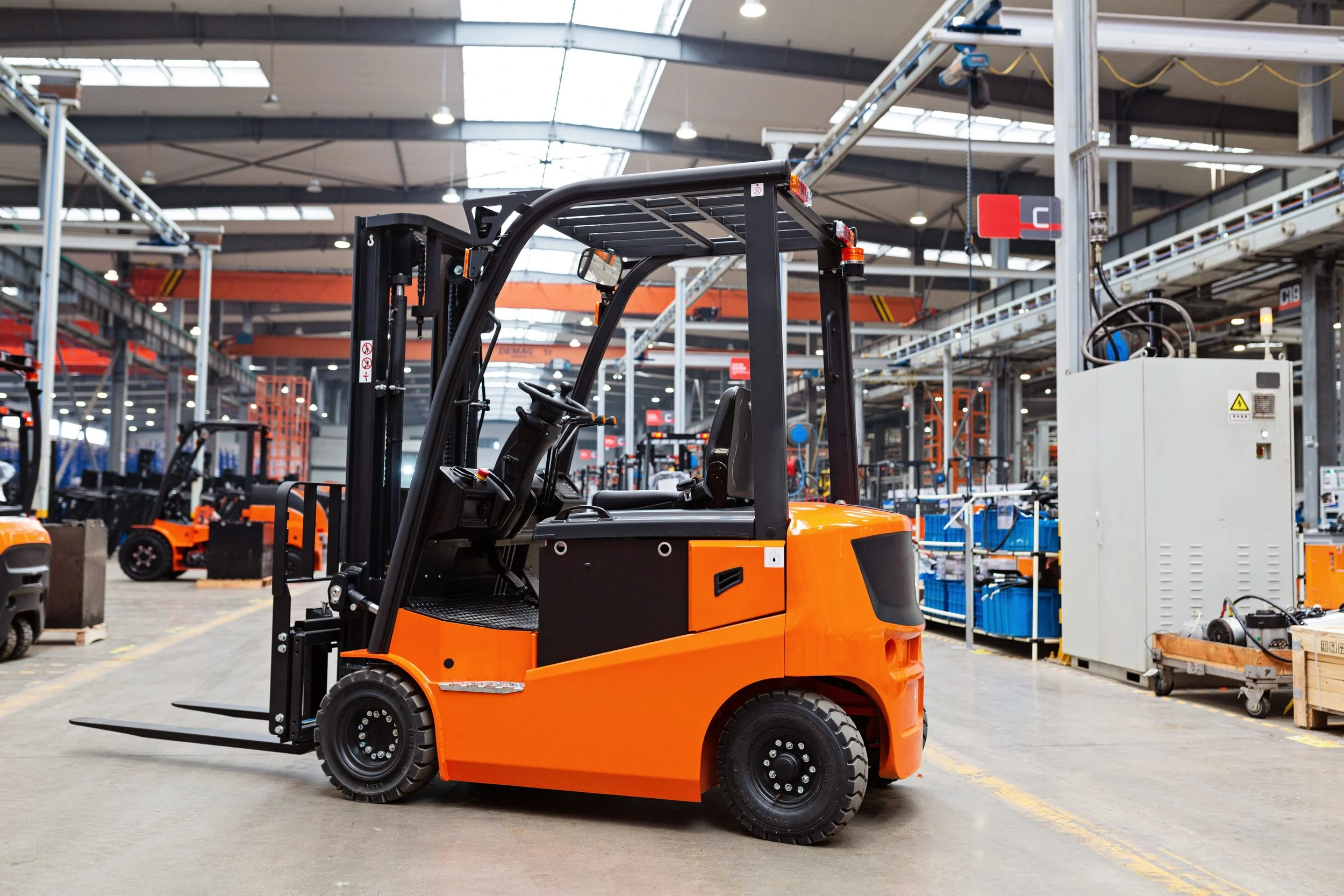
What made the project unique was the diversity of locations and the wide range of equipment conditions. Some forklifts were in active daily use, others were stored in tight retail stockrooms, and a few had custom attachments added by local managers that weren’t documented anywhere. Each store had a different point of contact, different hours, and different access limitations.
To make it work, we mapped out each location, coordinated directly with store and warehouse managers, and ensured the inspector had a clear list of makes and models that were slated for inspection. We tracked down units across all sites, verified serial numbers even when plates were worn, and documented all custom components.
The customer appreciated that CIS could bring consistency to a project spread across so many unique environments.
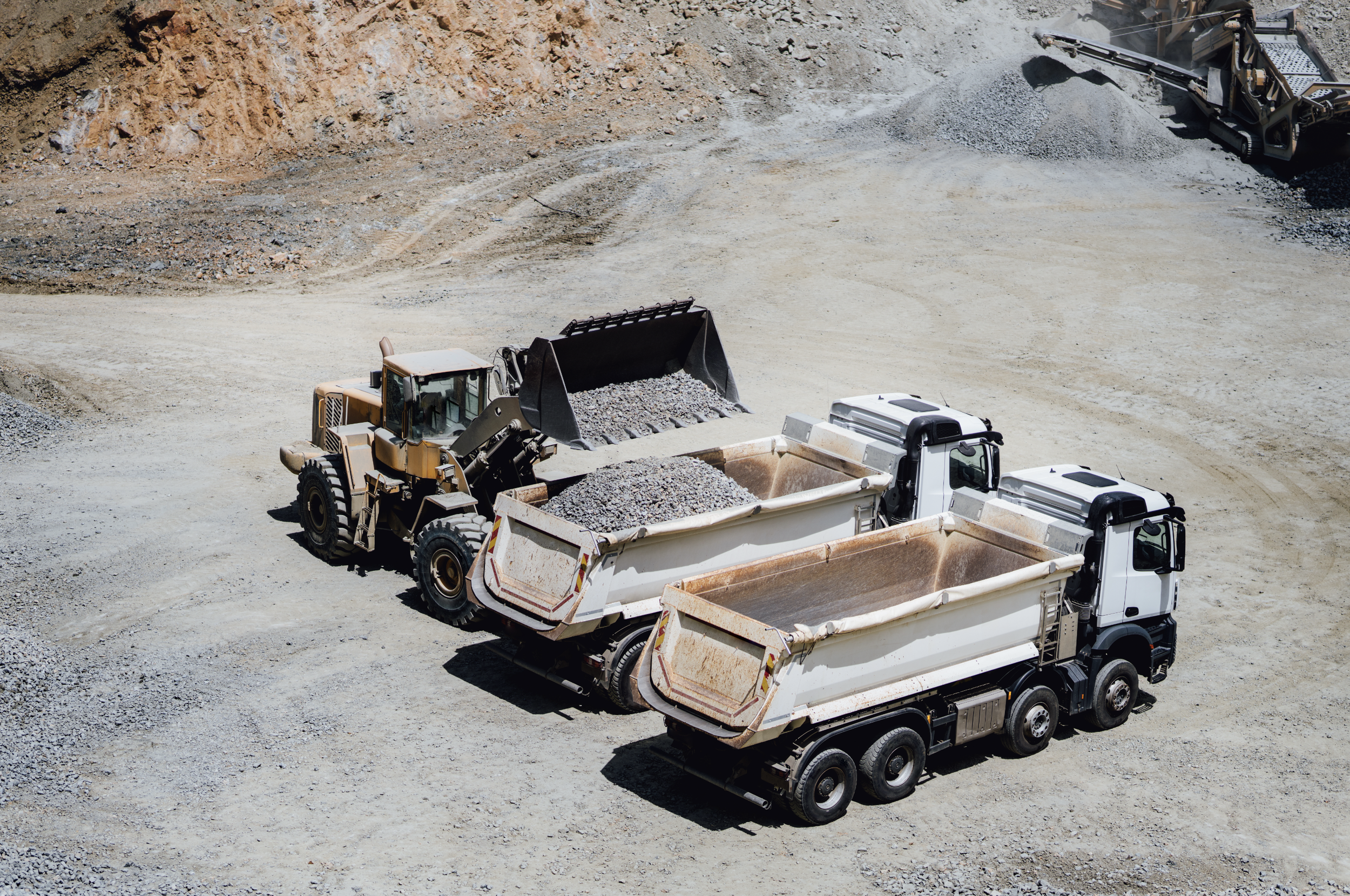
Another unique project involved a private lender who financed a borrower operating a mixed fleet of roll-off trucks, dump trucks, skid steers, excavators, and dry van trailers all at a single construction yard. The borrower used the equipment for multiple divisions of their business, so the assets were spread across different areas of the property and in various stages of use or repair.
What made it unusual was the diversity of equipment types combined with the layout of the yard, which required coordinating access with several department leaders. Some units were actively being used on job sites, others were staged for transport, and a few were mid-repair with missing plates or incomplete documentation.
To make it work, we scheduled the inspection around the yard’s operating hours, organized the equipment list by category, and prepared the inspector with checklists covering all asset types. We verified serial numbers and documented condition differences.
This ensured the lender received accurate information across the entire fleet, despite the different equipment types and state of repair.
If you have a fleet of trucks, equipment, or other vehicles that need to be inspected, we’d welcome the opportunity to provide a quote. Contact us by schedule a call or sending an email.